Wednesday, April 24, 2013
Week fifteen post
This class was the first online class I have taken. The technology piece was a lot different than what I was use to. Online learning was very different from learning in person. It had its challenges and its benefits. When it comes to an English class, I found learning online to be much better. In person learning for me was much more tolling than online. From this class I have learned more about taking online classes and how they can benefit the way I learn. I learned some new ways to go about finding sources and different resources to use in order to do my best in the class.

Wednesday, April 17, 2013
About Revisions
In the beginning of this semester I didn't do a revision and my grade suffered for it. On the second essay I decided to have a friend and a learning coach revise my essay which helped a lot. This time around I sent in an essay to the professor and to the friend and learning coach in hopes that I will be able to boost my grade once more. After some trial and error with revisions I have decided I should keep doing them. I came to this conclusion because when I write I only see what I meant to say and how it sounded in my mind. However, when someone else reads this they might not know how I am thinking. When I have other people look at my essays they point out things I could make stronger and parts I should change in order to get my message across more clearly.
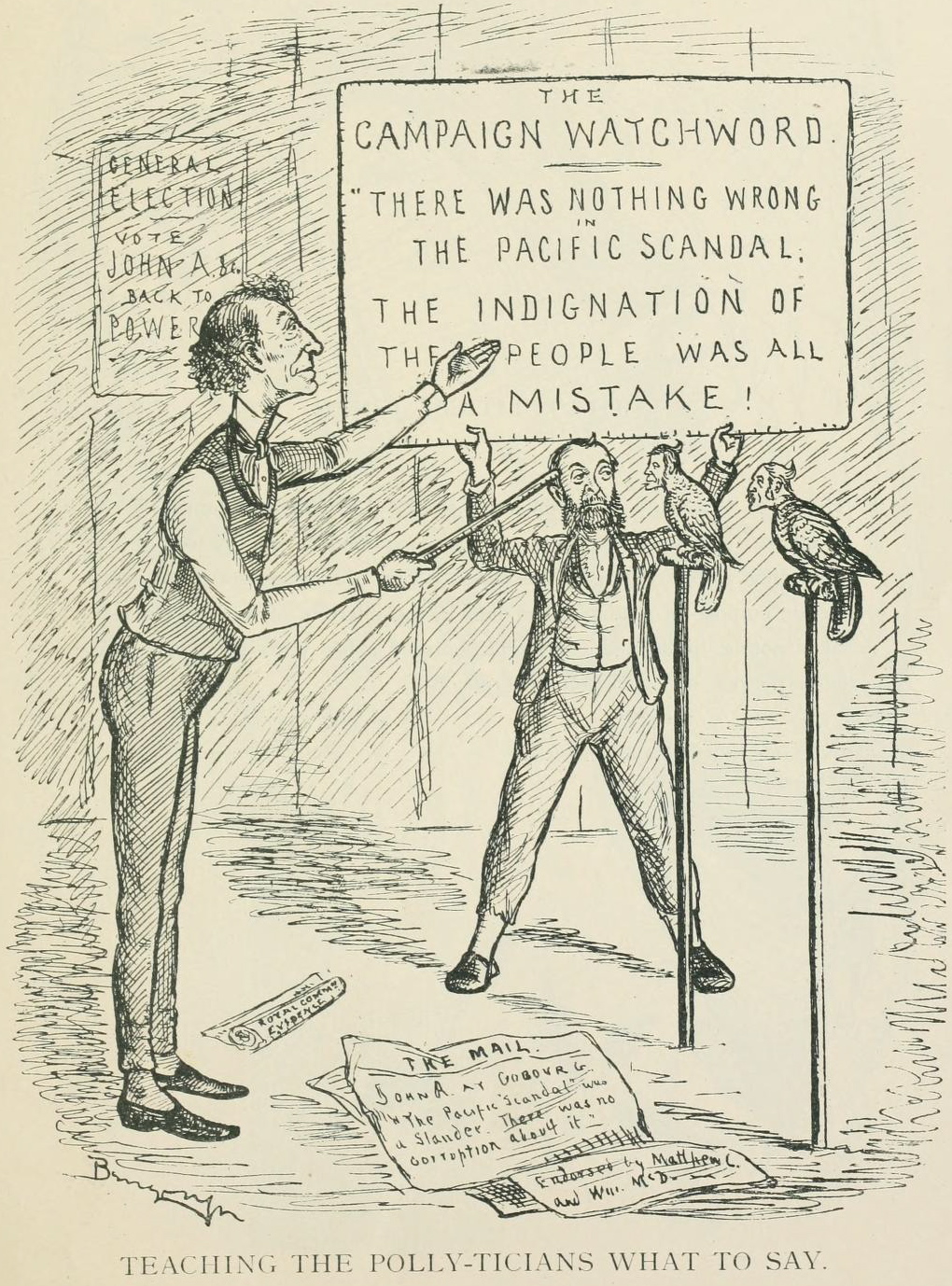
 John Wilson Bengough, died 1923
Wednesday, April 3, 2013
White Noise Thesis paragraph
Don DeLillo’s book White Noise is a satire of a plethora of themes and motifs. From American family life to academia he pokes fun at various aspects of life and death. Religion is a significant target of his satirical opinions. Through out the novel he creates outrageous scenes that reflect on ridiculous human behaviors regarding religion and spirituality. Whether it’s having a spiritual experience through visiting a barn or finding peace at the simplicity of an ATM machine DeLillo is constantly poking at certain human beliefs. One possible reason for his writing on this topic is the massive change in human behavior that occurred due to the technological explosion in the 1980s when he wrote White Noise.

Sunday, March 31, 2013
Tom LeClair summary
Closing the Loop: Tom LeClair
Tom LeClair's Closing the Loop provides a great summary of Don DeLillo's work White Noise. In the beginning LeClair explains his very fitting title, "closing the loop." He talks about DeLillo's traveling and how it lends to the creative aspects of the novel. LeClair also gives background on DeLillo and how he started writing White Noise after his return in 1982. He talks about how "White Noise is about "closing the loop"-- personal and mass dying, the "circle slowly closing" (241) of fear producing its object..." (387-388). Later in Leclairs work, he goes into summarizing White Noise and how it ties into the American culture of its time.
I liked reading this article because it grabbed my attention from the beginning. It also does a great job of offering some other insights to the novel that I would have otherwise simply looked over.
DeLillo, Don. White Noise. New York: Penguin, 1998. Print.
Saturday, March 23, 2013
White Noise Comes and Goes
For this post I decided to just do a general overview on what I have thought of Don DeLillo's novel in it's good and bad parts.
First things first, I would like to say that I have genuinely enjoyed reading this book. The plot is great and the character development has been amazing. I do enjoy how the whole story is broken into three portions. In most of part one, the narrator is setting up the characters in describing what they do. We find out about Jack's unusual profession and obsession with an evil man whom created a distinguished event in history, and his wife and kids. Then it goes to part two where we find out about a toxin released into the air. In part three there is a lot of struggle between Jack and his wife Babette with bad news coming from both ends.
What I did not really enjoy about this story was how the narrator got off track a lot. I feel like the occasional rants and conversations which had little to do with what was actually going on made the story very confusing. I can see why they are put where they are, but I also believe some of these conversations could have been left out to make it a little easier on the reader.
First things first, I would like to say that I have genuinely enjoyed reading this book. The plot is great and the character development has been amazing. I do enjoy how the whole story is broken into three portions. In most of part one, the narrator is setting up the characters in describing what they do. We find out about Jack's unusual profession and obsession with an evil man whom created a distinguished event in history, and his wife and kids. Then it goes to part two where we find out about a toxin released into the air. In part three there is a lot of struggle between Jack and his wife Babette with bad news coming from both ends.
What I did not really enjoy about this story was how the narrator got off track a lot. I feel like the occasional rants and conversations which had little to do with what was actually going on made the story very confusing. I can see why they are put where they are, but I also believe some of these conversations could have been left out to make it a little easier on the reader.
Wednesday, March 6, 2013
First half of the semester
The biggest challenge for me in the first half of this semester was getting use to using a blog and doing my classes online, seeing as this is the first online class I have taken and the first blog I have ever used. I would consider the fact that I have not given up yet this semester has my biggest success. Usually with new things, if I find them difficult, I just give up. The readings in this class so far have gotten me to think. Especially the Jonathan Swift essay, mainly because I really enjoy satire. Literary analysis has been another struggle for me in this class. In all my previous classes I have mainly just had to write argumentative essays. I find that I much prefer argumentative essays over literary analysis. My goal for the second half of the semester is to complete all the assignments and to do better than I did in the first half.
Wednesday, February 27, 2013
Swift Essay Tenative Thesis Paragraph

http://en.wikipedia.org/wiki/English_Civil_War
Wednesday, February 20, 2013
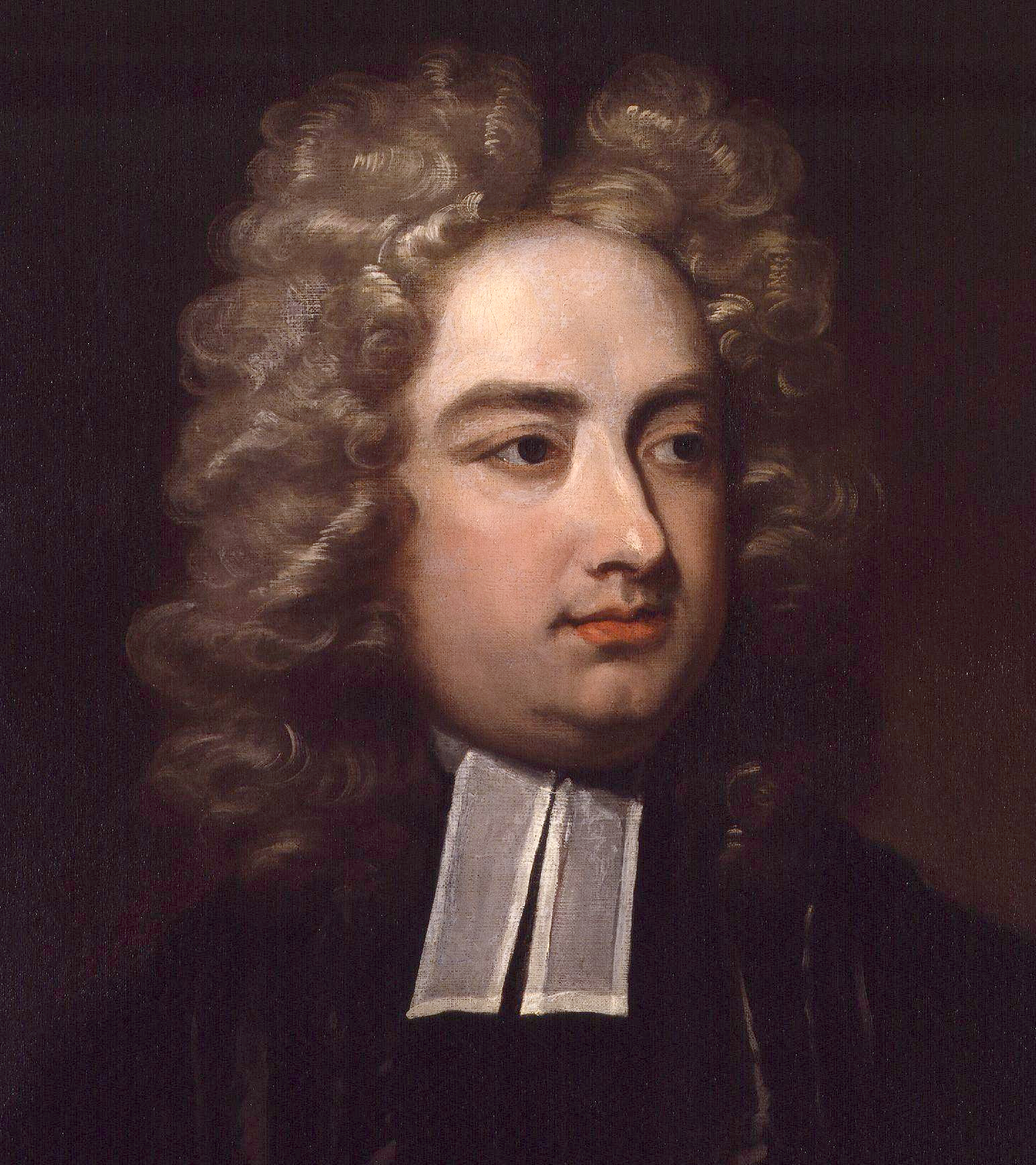
Jonathan Swift’s “A Modest Proposal” is a satire written about the economics during this time period in Ireland. Swift’s biggest problem with his society is the poor. With beggars all over and each of these people have four, five, or six children each. He talks about these children growing up to be thieves, or to go fight for the Spanish. He highly dislikes this behavior because he thinks that these beggars simple become “breeders” which makes them beg for more money because they continue to have more and more mouths to feed. Swift proposes that they should just eat the babies. He tries to convey this as a profitable way of doing things. Since each baby can live off its mothers milk for one solar year with little other sustenance, raising them to one year old should be cheap. And after they turn one, they should be sold for meat which would net an eight shilling profit.
Swift is not serious about this proposal. The essay is written as a satire. The purpose of this suggestion is to get people to look more deeply at the state of poverty in Ireland and how it is seemingly perpetual. He tries to get across the point that how the poor are acting and being treated is violent and morally wrong. He goes as far as saying that the actions of the Irish is borderline cannibalistic. Overall he is making fun of how nothing beneficial is being done for the massive amount of poverty stricken people in Ireland.
Swift’s proposal for eating the children was not at all logical. He did not mean it to be taken as a serious or logical argument. The majority of the evidence that Swift puts out for this not being a serious and or logical proposal is his tone through out the essay.
http://en.wikipedia.org/wiki/Jonathan_Swift
Wednesday, February 13, 2013
I chose an etrade commercial from the years super bowl. I find this commercial to be effective. In my opinion this commercial has an audience of people from about their late 20's and up. The commercial is for an investment agency which makes targeting this audience a must. The humor used in the commercial reaches all these generations, what is more funny than a talking baby? The purpose of this commercial is to draw people into the investment agency. It does this by having the baby show all the different ways one could foolishly spend all of their money, then he talks about just saving the money. The audience is drawn to the saving aspect of the commercial. Overall, this commercial definitely works for me.
Saturday, February 9, 2013
The thesis I chose to write about is "Bartleby is the hero of Melville’s story in his refusal to participate in a workplace that represents the sad, dreary atmosphere of a bureaucratic, industrialized society. He is the only one standing up to a society that is increasingly oppressive to workers."
I chose this thesis because it is the main theme of the story that I picked up on when reading it. Bartleby's rouge thinking and actions around his employer are unlike any of the others in the story. Unlike Turkey and Nippers, Bartleby refuses to do the normal work that a law-copyist would do. Bartleby is the only one to stand up for his beliefs in a society that does not accept them.
I chose this thesis because it is the main theme of the story that I picked up on when reading it. Bartleby's rouge thinking and actions around his employer are unlike any of the others in the story. Unlike Turkey and Nippers, Bartleby refuses to do the normal work that a law-copyist would do. Bartleby is the only one to stand up for his beliefs in a society that does not accept them.
Sunday, February 3, 2013
“I am one of those unambitious lawyers who never addresses a jury, or in any way draws down public applause; but in the cool tranquillity of a snug retreat, do a snug business among rich men’s bonds and mortgages and title-deeds.” Bartleby, the Scrivener: A Story of Wall-street pg. 4.
This passage sets the tone for a main theme that I found in the story. The theme being one of money and power that was rarely found in this time. But, the power also drove those who had it to have certain expectations of how some should act. Later in the story we see that these expectations of response are smashed and “disobeyed” by Bartleby, throwing the lawyer into great confusion.
The story is told in first person by the lawyer who gives his account of a scrivener whom he took on for hire named Bartleby. The lawyer speaks of Bartleby as different from the other copyists and scriveners he has had in his employment before. The lawyer skips talking about most scriveners and goes straight to comparing Bartleby to the three others that he has in his employment.
The theme that is found to be very prominent in this story is Bartleby’s desire to not conform to what is seen as the proper working man in the society he lives in. In the story the lawyer asks a task of Bartleby, to which he simply replies “I would prefer not to.” Among this statement and a earlier back and forth between Bartleby and the lawyer where the lawyer is asking Bartleby what he would like to do for a profession further drives this theme home.
While the story can be very confusing, I found the theme of non-conforming to be the main overlying theme of the story. I saw that it was very well laid out and was not at all concealed by Bartleby with his words and actions toward the lawyer.
 Herman Melville 1846 by Asa Twitchell
This passage sets the tone for a main theme that I found in the story. The theme being one of money and power that was rarely found in this time. But, the power also drove those who had it to have certain expectations of how some should act. Later in the story we see that these expectations of response are smashed and “disobeyed” by Bartleby, throwing the lawyer into great confusion.
The story is told in first person by the lawyer who gives his account of a scrivener whom he took on for hire named Bartleby. The lawyer speaks of Bartleby as different from the other copyists and scriveners he has had in his employment before. The lawyer skips talking about most scriveners and goes straight to comparing Bartleby to the three others that he has in his employment.
The theme that is found to be very prominent in this story is Bartleby’s desire to not conform to what is seen as the proper working man in the society he lives in. In the story the lawyer asks a task of Bartleby, to which he simply replies “I would prefer not to.” Among this statement and a earlier back and forth between Bartleby and the lawyer where the lawyer is asking Bartleby what he would like to do for a profession further drives this theme home.
While the story can be very confusing, I found the theme of non-conforming to be the main overlying theme of the story. I saw that it was very well laid out and was not at all concealed by Bartleby with his words and actions toward the lawyer.

Sunday, January 27, 2013
Summary v. Analysis
While summarizing a book the goal and intent is to give some details about the basic story line while still not giving it away. The summary should be a brief and vague outline so as to not ruin any surprises for the reader. It should grab the readers attention enough to get them interested in the book but not give too many details as to make them feel like they just read the book.
For example: Here is a summary of the book “Dead of Winter” by P.J. Parrish. In the book “Dead of Winter” there is a police officer named Louis Kincaid. He is moved up to small town after fighting crime in a large city. The book brings many twists as Louis is on a hunt to find a dangerous killer. Through love, anger, heartbreak, and happiness Louis continues on his quest of crime fighting and problem solving with much motivation.
How the summary of this compares to an analysis would be if one said that “Dead of Winter” was a story about how one should never trust a woman. While this is a small theme about the story, in the grand scheme of things it is a point that could be intensely argued. In the analysis one would still give some brief synopsis of the story they would mostly focus in on arguing that the story is mostly about never trusting a woman.
Summary’s and Analysis’ are both very different. While both give a brief explanation of the story, a summary would mostly focus on giving someone a short and vague explanation of the story without going into detail. Where as an analysis would give a lot more details while also making an argument over one specific theme in the story.

While summarizing a book the goal and intent is to give some details about the basic story line while still not giving it away. The summary should be a brief and vague outline so as to not ruin any surprises for the reader. It should grab the readers attention enough to get them interested in the book but not give too many details as to make them feel like they just read the book.
For example: Here is a summary of the book “Dead of Winter” by P.J. Parrish. In the book “Dead of Winter” there is a police officer named Louis Kincaid. He is moved up to small town after fighting crime in a large city. The book brings many twists as Louis is on a hunt to find a dangerous killer. Through love, anger, heartbreak, and happiness Louis continues on his quest of crime fighting and problem solving with much motivation.
How the summary of this compares to an analysis would be if one said that “Dead of Winter” was a story about how one should never trust a woman. While this is a small theme about the story, in the grand scheme of things it is a point that could be intensely argued. In the analysis one would still give some brief synopsis of the story they would mostly focus in on arguing that the story is mostly about never trusting a woman.
Summary’s and Analysis’ are both very different. While both give a brief explanation of the story, a summary would mostly focus on giving someone a short and vague explanation of the story without going into detail. Where as an analysis would give a lot more details while also making an argument over one specific theme in the story.
Saturday, January 19, 2013
Nabokov's Good Readers and Good Writers was a great piece for thinking about what really makes a good reader. Nabokov expresses that what makes a good reader is the artistic approach to reading. In his work he describes having an "impersonal imagination and artistic delight. He goes on to explain a balance between the reader and writer, and how this balance will help dictate how good the reader is. He also mentions the temperament of a good reader with it being one who has a good balance of a artistic and scientific mind.
I certainly agree with Nabokov's artistic view on reading. I believe that a the main characteristic of a good reader is not only one who can comprehend the words they are reading, but also put themselves into the story with an artistic mind. For me; if I do not feel like I can put myself into the story and imagine and feel like I am the character in the story I find it hard to get lost in the book. Being someone with an artistic mind I do believe that I am a good reader. The stories I have read where I have been able to get lost and feel like I am the character in the book are the stories I have always remembered.
I certainly agree with Nabokov's artistic view on reading. I believe that a the main characteristic of a good reader is not only one who can comprehend the words they are reading, but also put themselves into the story with an artistic mind. For me; if I do not feel like I can put myself into the story and imagine and feel like I am the character in the story I find it hard to get lost in the book. Being someone with an artistic mind I do believe that I am a good reader. The stories I have read where I have been able to get lost and feel like I am the character in the book are the stories I have always remembered.
 |
| Vladimir Nabokov |

Subscribe to:
Posts (Atom)